
From mead to whiskey to beer, alcohol has long been part of Irish culture. Originally having been used for religious means, it has now become a beloved way to spend a weekend evening.
Though, Irish history goes much deeper than just beer.
After seceding from Great Britain, the newly-formed Republic of Ireland lacked the resources to feed themselves. A blight, brought in by their colonizers, ravaged the domestic potato crop. Along with the disease, heavy tariffs were placed on food imports, creating an even more despairing situation. The Great Famine had begun, starving the souls of the island. Faced with their apparent failure of food, many started looking to immigrate to the, then young, United States of America.
It was then that a giant movement happened: a flow of Irish immigrants entered the United States seeking a new home, settling in cities like Philadelphia and Boston. Though now widely accepted as a major group of the nation, the Irish were initially ostracized, their Catholic faith not mixing well with the majorly Protestant population of America. They faced harsh reactions from their host country–many were attacked, churches burned and work actively discriminated against them. In spite of such opposition, the patriotic people faced the hate with much pride.
Pubs were to Irish-Americans as speakeasies were to Black-Americans: a place of refuge, where folks were free to embrace their culture, sided with drinks to ease the nerves. Though the culture of alcohol was already deeply ingrained into Irish life, it only increased more with the stresses of uprooting their lives.
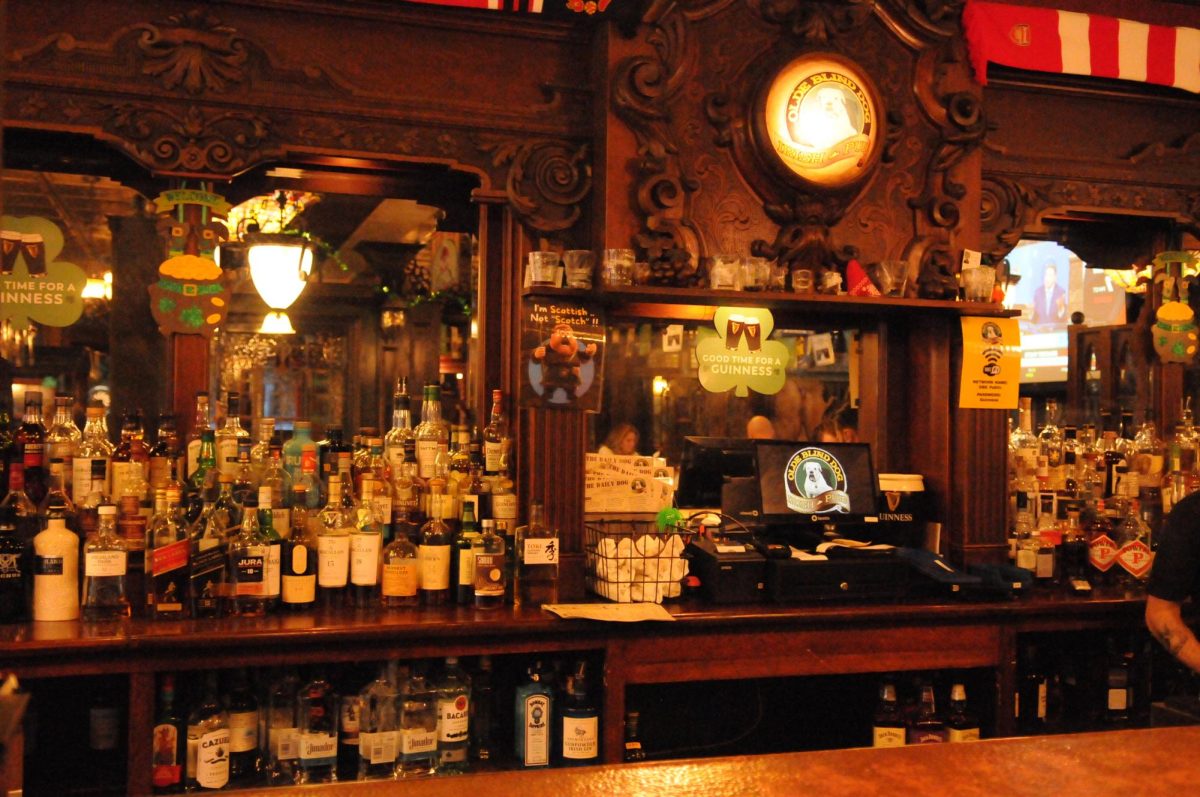
As explained by Danny Edmonds, manager of the local Olde Blind Dog, pubs were originally “public houses,” meant as a place for neighbors and friends to gather. Instead of drinking as the main attractor, the comforting atmosphere is instead a pub’s greatest strength. This is especially true during St. Patrick’s Day–business booms and the bar is packed tight with bulbing heads curious about the Irish ways.
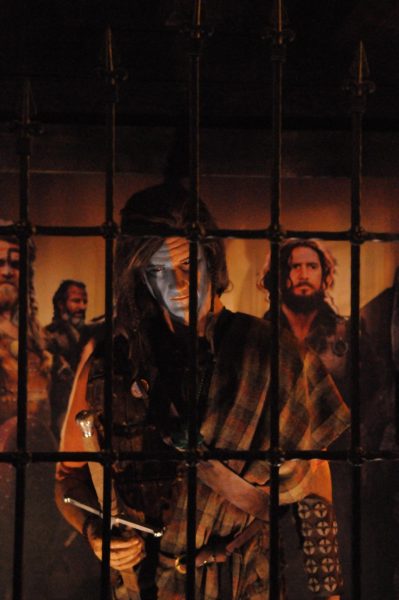
Edmonds states that his pub was built specifically to represent Celtic culture as a whole, preserving core traits such as its architecture and foods. The 17-year-old establishment is designed with its roots in mind, having many pieces repurposed from previous bars and some shipped in from Ireland directly.
Places like this and many more are vast within the United States: hubs of culture kept alive through generations. With St. Patrick’s Day upon us, take the day to visit a local pub near you. While little is guaranteed, green and Guiness are an Irish promise.